

Holi – Festival of Colors, Joy, and Unity

Holi is one of the most vibrant and joyful festivals celebrated in Nepal and India. Known as the festival of colors, it marks the arrival of spring and the victory of good over evil.
During Holi, people of all ages come together to throw colored powders, splash water, dance to festive music, and enjoy traditional sweets. It is a time of laughter, fun, and renewal of friendships.
This festival is deeply rooted in Hindu traditions and has different meanings in various regions. Some celebrate it as a symbol of love, linked to Lord Krishna and Radha, while others see it as a victory of devotion from the story of Prahlad and Holika.
No matter the legend, Holi is a festival that brings people together beyond religion and caste.
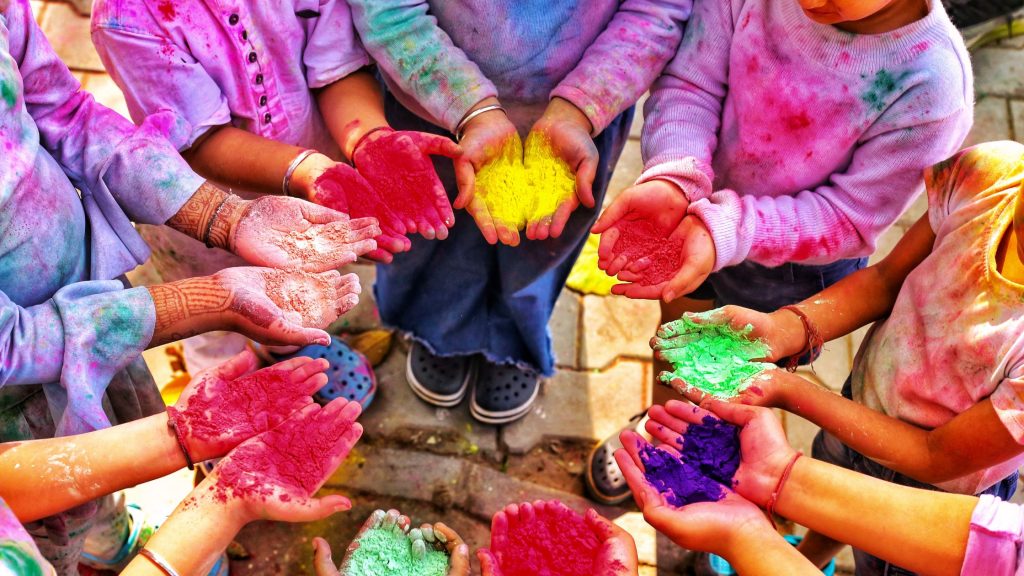
One unique thing about Holi is that it is not celebrated on the same day everywhere. In Nepal, people in hilly regions celebrate Holi on Falgun Poornima, while those in the Terai region celebrate it the next day.
Similarly, in India, different states have their own way of celebrating Holi, such as Lathmar Holi in Uttar Pradesh or Royal Holi in Rajasthan. But why do these dates and traditions vary?
This is a question many people ask, and the answer lies in cultural influences and regional history.
What is Holi?
Holi is a Hindu festival that celebrates the arrival of spring and the victory of good over evil. It is one of the most joyful festivals in Nepal and India, where people gather to play with colors, water, and music. Holi is a time to forgive, reconnect, and welcome new beginnings.
Holi is a two-day festival, and each day has a special meaning.
On the first day, people celebrate Holika Dahan, also known as Bonfire Night. This takes place in the evening before the main Holi festival. People light large bonfires to symbolize the burning away of negativity and evil.
The tradition comes from the story of Holika and Prahlad, where devotion and goodness triumphed over evil.
The second day is called Rangwali Holi, or the Festival of Colors. This is the most famous part of Holi, where people throw colored powders, splash water, and dance to festive songs. Friends and families come together to celebrate, forgetting past differences and enjoying the fun.
In Nepal, Holi is also called Fagu Purnima. People in the hilly regions celebrate it on Falgun Poornima, while those in the Terai region celebrate it the next day. The name “Fagu” comes from the month Falgun, in which Holi falls according to the Hindu calendar.
Why is Holi Celebrated?
Holi is celebrated for many reasons, including mythological stories, seasonal changes, and cultural traditions. It is a festival that marks the victory of good over evil, the arrival of spring, and the strengthening of social bonds.
Mythological Origin
One of the most famous stories behind Holi is that of Prahlad and Holika. Prahlad was a devoted follower of Lord Vishnu, but his father, King Hiranyakashipu, wanted to be worshipped instead. The king’s sister, Holika, had a magical cloak that protected her from fire.
She tricked Prahlad into sitting on her lap inside a burning fire, hoping to destroy him. But because of his devotion, Holika was burned, and Prahlad survived. This is why Holika Dahan, or the bonfire night, is celebrated to show that good always wins over evil.
Another legend comes from Lord Krishna and Radha. Krishna, who had a dark complexion, worried that Radha wouldn’t love him because of his skin color. His mother playfully suggested that he smear colors on Radha’s face.
This became a tradition, and today, Holi is known as the festival of love and colors.
Seasonal and Cultural Significance
Holi welcomes spring and marks the end of winter. It is a time for new beginnings and a chance for people to forgive and forget past conflicts. The festival brings communities together through fun, laughter, and colors.
Scientific Perspective
Holika Dahan is believed to purify the environment by burning away bacteria and harmful elements from the air. Playing Holi with natural colors made from flowers and herbs is also said to be good for the skin and immunity. The tradition of smearing colors is believed to help stimulate the skin and improve health.
Holi is primarily celebrated by Hindus in Nepal and India, but over time, it has become popular in many other parts of the world. It is a festival that brings people together, regardless of religion or background.
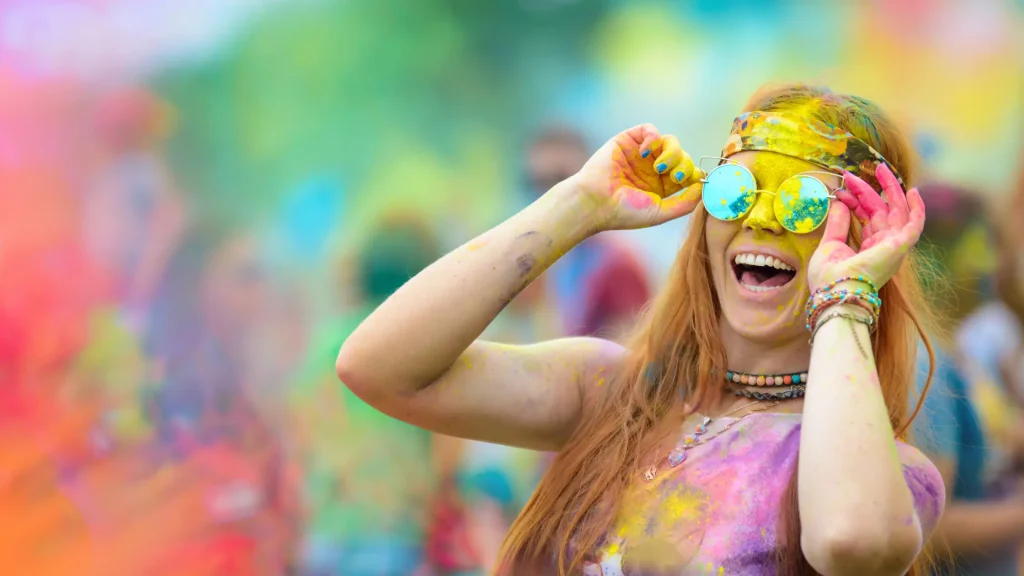
Who Celebrates Holi?
In Nepal and India, Holi is a major Hindu festival, observed with colors, music, and joyful gatherings. People in Bangladesh, Pakistan, Sri Lanka, and other South Asian countries with Hindu communities also celebrate Holi.
Beyond South Asia, Holi is enjoyed by Nepalese and Indian communities around the world. Countries like the USA, UK, Canada, Australia, and Mauritius hold Holi festivals where people come together to throw colors and celebrate unity.
In recent years, Holi has also gained popularity as a cultural event in Western countries. Many cities host Holi-inspired festivals, allowing people of all backgrounds to experience the joy and vibrancy of this colorful tradition.
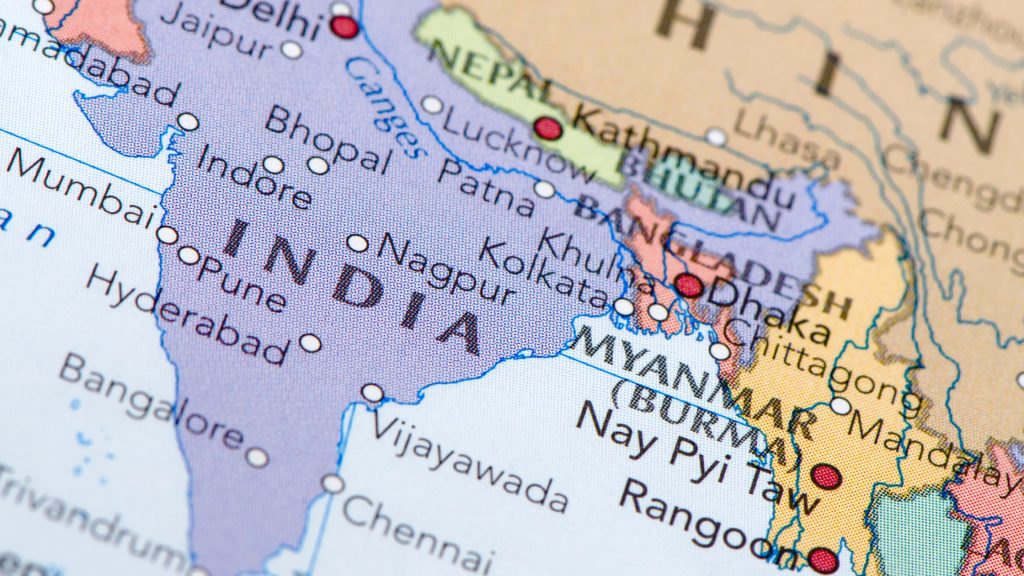
Why is Holi Celebrated in Nepal?
In Nepalese Hindu culture, Holi is connected to the legend of Holika and Prahlad. On the night before Holi, people light bonfires for Holika Dahan, symbolizing the burning away of negativity and evil. The next day, people celebrate with color powders, water balloons, and festive gatherings.
Holi Celebrations in Different Parts of Nepal
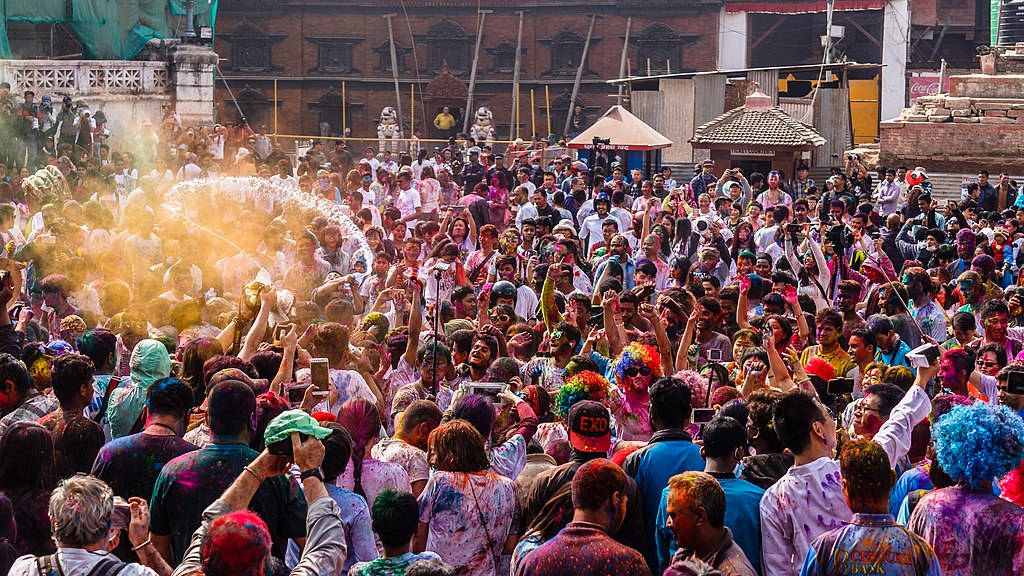
Holi is celebrated differently in various regions of Nepal. In the hilly areas, including Kathmandu, Pokhara, and Bhaktapur, Holi falls on Falgun Poornima. People gather in Basantapur Durbar Square to play with colors, dance, and enjoy traditional foods.
In the Terai region, Holi is celebrated a day later following the Indian tradition. The festival is more extended and energetic, with cultural programs, music, and large public gatherings.
Holi in Nepal is more than just a festival; it is a time for forgiveness, unity, and community bonding. It strengthens relationships and brings joy to families, friends, and even strangers.
Why is Holi Celebrated in India?
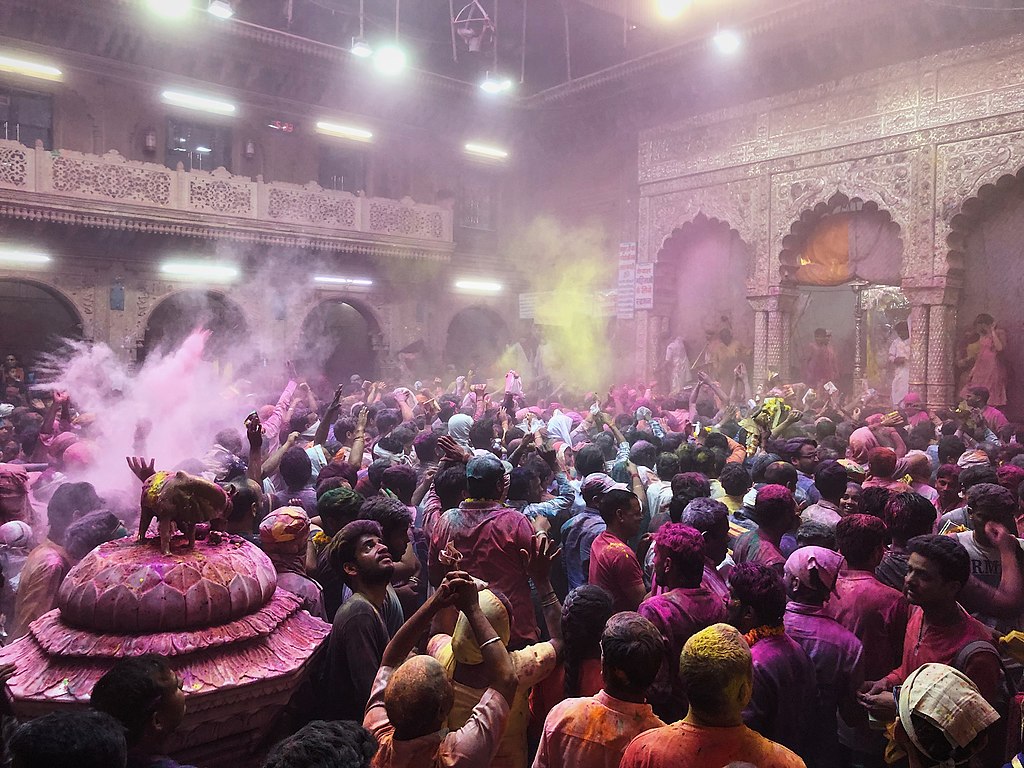
Holi has deep mythological and cultural roots in India. One of the most famous stories is about Lord Krishna and Radha. Krishna, who had a dark complexion, worried that Radha wouldn’t accept him.
His mother playfully suggested he apply color on Radha’s face, starting the tradition of playing with colors. Today, Holi in Mathura and Vrindavan is one of the most famous celebrations, attracting thousands of visitors.
India also has unique Holi traditions in different regions:
- Lathmar Holi in Barsana – Women playfully hit men with sticks, recreating Krishna’s teasing of Radha.
- Royal Holi in Rajasthan – Celebrated with elephants, traditional dance, and royal processions.
Beyond its religious roots, Holi is also a festival of unity. It is a time to resolve conflicts, reconnect with loved ones, and spread happiness. The festival breaks social barriers, allowing people from all backgrounds to celebrate together.
Why do Nepal and India Celebrate Holi Differently?
In Nepal, Holi is known as Fagu Purnima and is celebrated over two days. People in the hilly regions celebrate Holi on Falgun Poornima, while the Terai region follows the Indian tradition and celebrates a day later. The festival is closely linked to Holika Dahan, symbolizing the burning away of negativity.
In India, Holi is celebrated with regional variations. Some states highlight Lord Krishna’s playful Holi with Radha, while others observe unique customs like Lathmar Holi in Barsana or Royal Holi in Rajasthan.
These differences exist due to political and cultural history, as well as regional customs. While the spirit of Holi remains the same, the way people celebrate depends on local traditions and historical influences.
Why is Terai Holi a Day After Falgun Poornima?
The main reason is cultural and historical influence. The Terai region shares close ties with India, especially with states like Bihar and Uttar Pradesh, where Holi is traditionally celebrated the day after Falgun Poornima.
Over time, the Terai adopted the same practice, while the hilly regions of Nepal continued to follow their own traditional Hindu calendar.
The extra day also allows more time for preparations and grand celebrations in the Terai. People in cities like Janakpur and Birgunj celebrate with music, dance, and large gatherings, making Holi even more lively and colorful.
How is Holi Celebrated in Different Parts of Nepal?
Kathmandu Valley & Urban Areas
In cities like Kathmandu, Pokhara, and Bhaktapur, Holi is celebrated with mass gatherings, music, and dancing. Popular places like Basantapur Durbar Square and Thamel attract large crowds who throw colored powders, splash water, and enjoy live performances. People, especially youth, celebrate Holi with DJ parties, concerts, and street festivals.
Hilly Regions
In Nepal’s hill regions, Holi is more traditional and spiritual. The focus is on Holika Dahan, where bonfires are lit to symbolize the victory of good over evil. Unlike urban areas, people in these regions celebrate with less emphasis on colors and more on religious rituals and family gatherings.
Terai Region
Holi in the Terai is lively and energetic, with large-scale celebrations similar to those in India. People play with colors, water balloons (lolas), and water guns while dancing to traditional Holi songs. Cities like Janakpur, Birgunj, and Nepalgunj hold cultural performances, folk music events, and processions.
Rural Areas
In rural parts of Nepal, Holi is more family-centered. People gather with relatives and neighbors to share sweets, apply colors, and strengthen social bonds. The celebrations are simpler but deeply meaningful, focusing on togetherness and local traditions.
Holi in Janakpur is particularly famous for its religious significance, where devotional songs and temple rituals add a unique cultural touch to the festival.
Importance of Holi in Nepalese Culture
Symbol of Unity & Social Harmony
Holi is a time when people forget past conflicts and celebrate together, regardless of caste, religion, or social background. It strengthens friendships, family bonds, and community relationships, making it a festival of forgiveness and togetherness.
Cultural & Religious Significance
Holi is an important part of Nepalese Hindu traditions, honoring legends like Prahlad and Holika. The festival represents the victory of good over evil and the arrival of spring, bringing new energy and positivity into people’s lives.
Economic Impact
Holi boosts local businesses and tourism. Markets see a rise in the sale of colors, sweets, festive items, and traditional clothing. Tourists visit Nepal to experience Holi celebrations, especially in places like Kathmandu, Pokhara, and Terai cities.
Environmental Concerns & Sustainable Holi
The growing use of chemical colors raises health and environmental concerns. To make Holi safer, people are shifting to eco-friendly, organic colors made from flowers and natural ingredients.
Actionable Tips for a Responsible Holi
✔ Use organic colors to protect skin and the environment.
✔ Avoid wasting water by playing dry Holi.
✔ Join community cleanups to keep public spaces tidy after celebrations.
By celebrating responsibly, Holi can continue to be a festival of happiness, unity, and cultural pride in Nepal.
Holi is more than just a festival of colors. It is a celebration of joy, unity, and renewal. People from all backgrounds come together to forgive, reconnect, and embrace new beginnings.
The festival represents the victory of good over evil, as told in the story of Holika and Prahlad, and symbolizes love and playfulness, inspired by Lord Krishna and Radha.
Why Holi Matters?
Holi breaks social barriers, allowing people to celebrate without distinctions of caste, religion, or status. It is a time to let go of negativity, laugh freely, and spread happiness through colors, music, and festive foods. The festival also boosts local businesses, supports tourism, and strengthens community bonds.
Celebrate Holi Responsibly
While Holi is fun, it is important to celebrate responsibly. Using eco-friendly colors, avoiding water wastage, and cleaning up public spaces after the celebrations help keep the festival enjoyable for everyone.
Holi is not just about throwing colors; it is about love, togetherness, and renewal. It reminds us to embrace joy, forgive others, and welcome the new season with open hearts. Whether in Nepal, India, or anywhere in the world, Holi is a festival that truly brings people together.
Disclaimer: I wanted to take a moment to clarify that some of the articles we have written are factually correct, supported by verified data and sources. These articles provide accurate information that our audience can rely on.
However, there are also articles that are based on personal opinions. While these pieces offer valuable insights and perspectives, it's important to recognize that they reflect the views of the authors and may not be universally applicable or agreed upon.