
How did Karna die in the Mahabharata?

Karna’s death is one of the most tragic and unfair moments in the entire Mahabharata. This wasn’t just the fall of a warrior—it was the crumbling of a mountain under the weight of destiny. Every circumstance that could go wrong did go wrong, all at once.
The way Karna died still makes readers emotional thousands of years later. It wasn’t a fair fight, and that’s exactly what makes it so painful to read about.
The Battle That Led to His Final Moments
Karna and Arjuna had been destined to face each other from the very beginning. After the fall of several great warriors, Duryodhana finally made Karna the commander-in-chief of the Kaurava army. This was Karna’s moment—the recognition he had waited for his entire life.
The seventeenth day of the war became the stage for their ultimate confrontation. Both warriors entered the battlefield knowing that only one would leave alive. The air itself seemed to hold its breath as these two greatest archers prepared to settle what had been brewing for decades.
Krishna drove Arjuna’s chariot while Shalya, who had been manipulated into fighting for the Kauravas, drove Karna’s. The stage was set for the most devastating duel the war would witness.
When Everything Started Going Wrong for Karna
The battle between Karna and Arjuna was fierce and equal at first. Their arrows met mid-air, creating explosions of light and sound. The entire battlefield stopped to watch these two titans clash. For hours, neither could gain the upper hand.
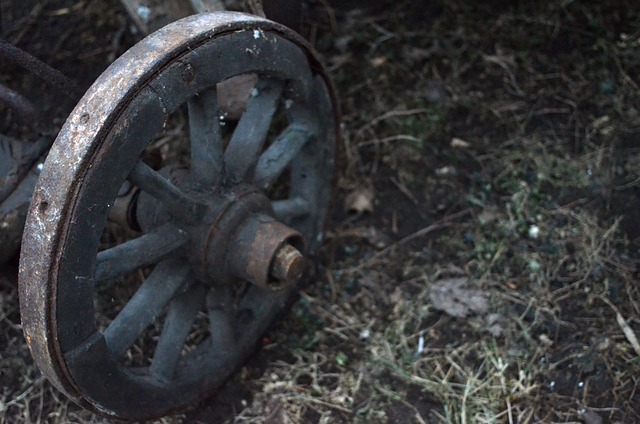
But then the curses that had been waiting in Karna’s shadow for years finally struck. His chariot wheel suddenly sank deep into the earth, trapping his vehicle completely. This was the curse of the Brahmin whose cow Karna had accidentally killed years ago, finally manifesting at the worst possible moment.
Karna jumped down from his chariot and desperately tried to lift the wheel. He pulled with all his strength, his hands bleeding, his muscles straining. But the wheel wouldn’t budge—it was as if the earth itself had decided to hold him captive.
The Moment Karna Became Helpless
With his chariot immobilized, Karna did something that still echoes through history. He raised his hand and called out to Arjuna to stop. According to the rules of warfare, you don’t attack an unarmed or helpless opponent. Karna reminded Arjuna of these sacred rules and asked for a moment to free his wheel.
This was the same Karna who had never asked for mercy in his life. The same warrior who had faced every injustice with his head held high. But now, stuck in the mud with death approaching, even he had to appeal to dharma.
Arjuna actually lowered his bow for a moment. He looked at his helpless enemy, and something in him hesitated. This was the moment that could have changed everything.
Krishna’s Words That Sealed Karna’s Fate
But Krishna had been waiting for exactly this moment. He turned to Arjuna and asked a cutting question: where was this dharma when Draupadi was being disrobed in the assembly? Where was this dharma when six warriors surrounded the young Abhimanyu and killed him unfairly?
Krishna’s words were harsh but effective. He reminded Arjuna of every moment when Karna had stood silent while adharma was being committed. He reminded him of every insult, every injustice, every rule that had already been broken by the Kauravas.
These words reignited Arjuna’s resolve. The hesitation vanished from his eyes. He raised his Gandiva bow once more, and this time there would be no stopping.
The Curse That Took Away Karna’s Greatest Weapon
Even as Karna struggled with his wheel, another curse activated. Years ago, his guru Parashurama had cursed him that his knowledge would fail him when he needed it most. Karna had forgotten this curse in his desperation, but now it came crashing back.
As he tried to remember the mantras to invoke his celestial weapons, his mind went blank. The knowledge he had practiced for years, the divine weapons he had mastered—everything slipped away like water through his fingers. He stood there, helpless and defenseless, unable to access the very skills that made him legendary.
Imagine being the greatest archer in the world and suddenly forgetting how to use your most powerful weapons. That’s the cruelty Karna faced in his final moments.
The Fatal Arrow That Ended Everything
Karna looked up from his stuck wheel and saw Arjuna preparing to shoot. He abandoned his efforts to free the chariot and quickly grabbed his bow. Even without his divine weapons, he was still Karna—he would fight till his last breath.
He managed to shoot several arrows at Arjuna, but without his usual precision and power. His movements were frantic, desperate. He was fighting not just Arjuna but destiny itself, and destiny had already made its choice.
Then came the moment that stopped time. Arjuna released the Anjalika weapon—a razor-sharp arrow blessed with divine energy. It flew through the air with a sound like thunder, cutting through every defense Karna tried to put up.
The Arrow That Couldn’t Miss
The Anjalika arrow was unstoppable. Karna saw it coming and tried to move, but with his chariot stuck, he had no room to maneuver. The arrow struck him in the neck, severing his head from his body in one clean cut.
Some versions say the arrow pierced his chest first, and then a second arrow took his head. But the result was the same—Karna, the invincible warrior, the generous hero, fell to the ground. His bow slipped from his hands. His body collapsed beside his trapped chariot.
The battlefield fell silent. Even the warriors who had wanted him dead felt the weight of what had just happened. The sun seemed to dim for a moment, as if mourning the loss of its own son.
What Made Karna’s Death So Tragic
Karna didn’t die because he was weaker than Arjuna. He died because everything that could go wrong did go wrong at the exact same moment. His chariot wheel got stuck due to an old curse. His memory failed due to another curse. He had already given away his divine armor and earrings, leaving him vulnerable.
This wasn’t a fair fight—it was an execution by destiny. Karna fought valiantly till his last second, but he was fighting against forces far bigger than any warrior. He was fighting against the universe itself, and the universe had already written his ending.
What makes it even more tragic is that Karna knew this was coming. Krishna had warned him. Kunti had begged him. But his loyalty to Duryodhana kept him on the battlefield, walking toward a death he could see approaching but couldn’t avoid.
The Silence After His Fall
When Karna’s body hit the ground, the Kaurava army let out a collective cry of despair. Their greatest hope, their most powerful warrior, was gone. Duryodhana, watching from a distance, felt his heart shatter. He had just lost more than a commander—he had lost his truest friend.
On the Pandava side, there was no celebration. Arjuna didn’t raise his bow in victory. Krishna didn’t smile. Even they understood that what had just happened wasn’t a victory—it was a tragedy that had to happen.
The war would continue for a few more days, but everyone knew the real turning point had just occurred. With Karna’s death, the Kauravas had lost not just a warrior, but their soul.
Why Karna’s Death Still Matters Today
Karna’s death teaches us something painful but true: sometimes life isn’t fair, and sometimes good people suffer despite their greatness. He was one of the most skilled warriors ever, yet he died helplessly. He was generous to a fault, yet received no mercy in his final moments.
His death also shows us the power of accumulated karma. Every curse he received, every choice he made, came together at that one moment. It’s a reminder that our actions, even small ones, can have consequences that catch up with us when we least expect them.
But perhaps the most important lesson is about dignity in defeat. Even as everything fell apart, even as curses activated and the earth swallowed his wheel, Karna fought. He didn’t beg, he didn’t cry, he didn’t blame anyone. He faced his end like the warrior he was, and that’s why we still remember him with respect and sadness.
Disclaimer: I wanted to take a moment to clarify that some of the articles we have written are factually correct, supported by verified data and sources. These articles provide accurate information that our audience can rely on.
However, there are also articles that are based on personal opinions. While these pieces offer valuable insights and perspectives, it's important to recognize that they reflect the views of the authors and may not be universally applicable or agreed upon.